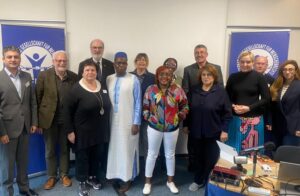
23 Years Ago, Olga Karach Won and Became the Only Opposition Deputy in the Vitebsk City Council
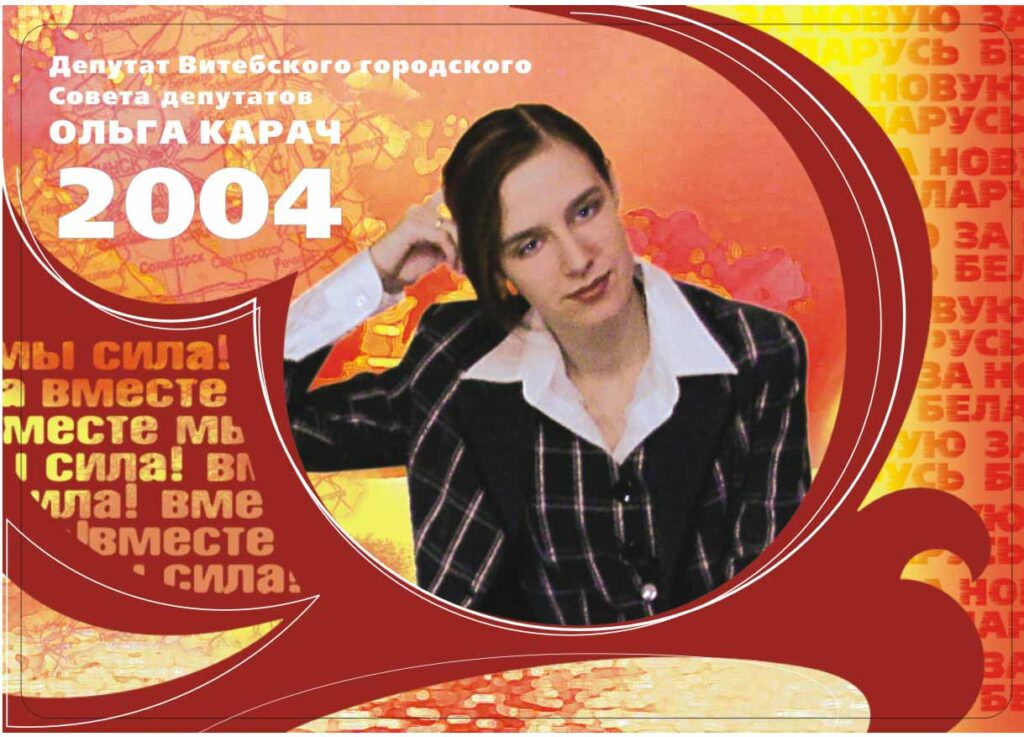
Twenty-three years ago, on March 2, 2003, Olga Karach won a seat in the Vitebsk City Council in the first round of voting, becoming the only opposition deputy and the youngest member of the council at that time.
During the 2003 local elections in Vitebsk’s Industrial District No. 15, the civic campaign “Our House,” created only six months earlier, demonstrated its strength for the first time.
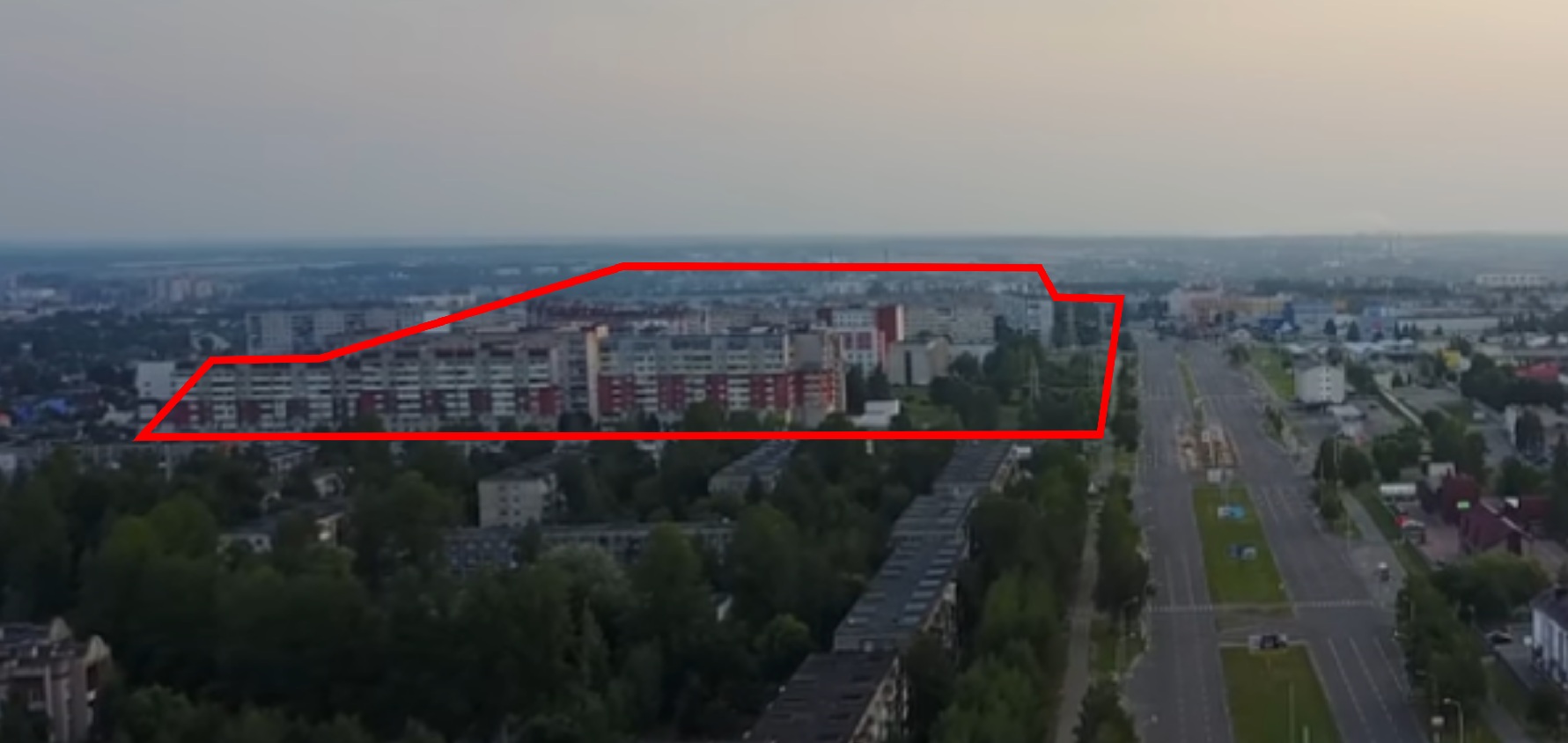 Olga’s opponents were powerful and influential figures: the head of the local Territorial Medical Association, responsible for all district polyclinics and therefore highly influential among pensioners—the largest voting group—and the head of the municipal housing authority (ZhES-23), who oversaw the Soviet-style housing and communal services system, including repairs and utility management, across the entire constituency. The district had around 7,000 voters—more than the number of people who vote for parliamentary candidates in some European countries.
At first, no one took Olga seriously as a competitor; many openly laughed at the campaign. However, the “Our House” movement, which had rapidly expanded to 23 cities across Belarus in just half a year as an anti-corruption initiative in the housing sector, carried out an unprecedented signature-collection campaign. Volunteers went door to door, visiting each apartment three or four times.
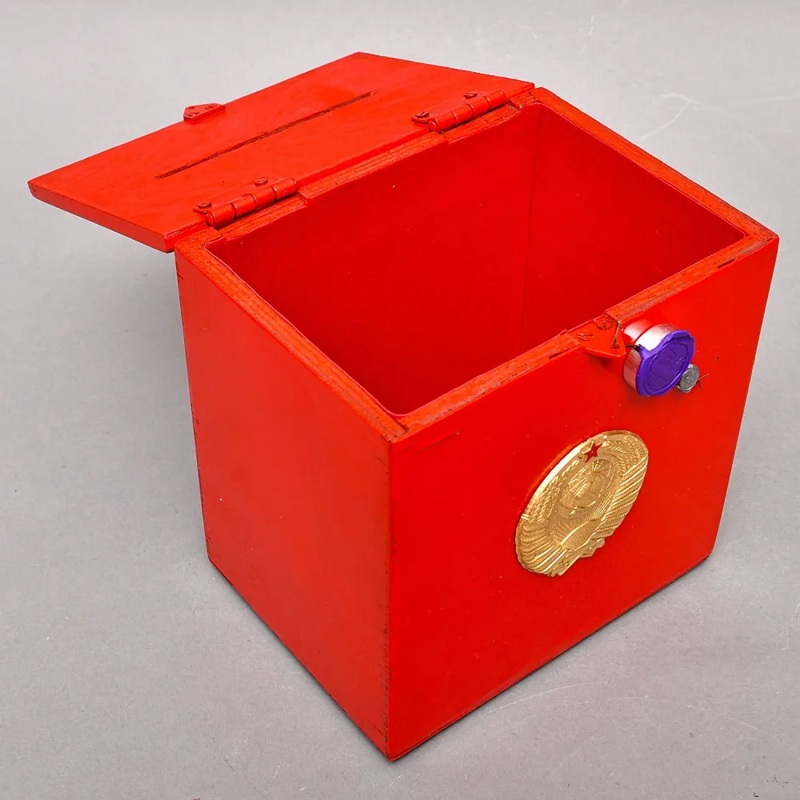 Activists also applied practical techniques learned during earlier training seminars. Every polling station was fully covered by observers working in shifts, and mobile ballot boxes—often used as a tool for vote manipulation outside polling stations—never left the sight of specially trained volunteers. Activists even maintained overnight watches to ensure that no vehicles approached the technical college building where sealed early-voting ballot boxes were stored, as nighttime handling of ballots had frequently been associated with electoral fraud.
After the vote count, conflicts broke out at one polling commission, which refused to display the final protocol publicly. The commission appeared shocked by the outcome and repeatedly contacted higher authorities, asking what they should do. Volunteers effectively blocked the polling station to prevent the introduction of falsified ballots.
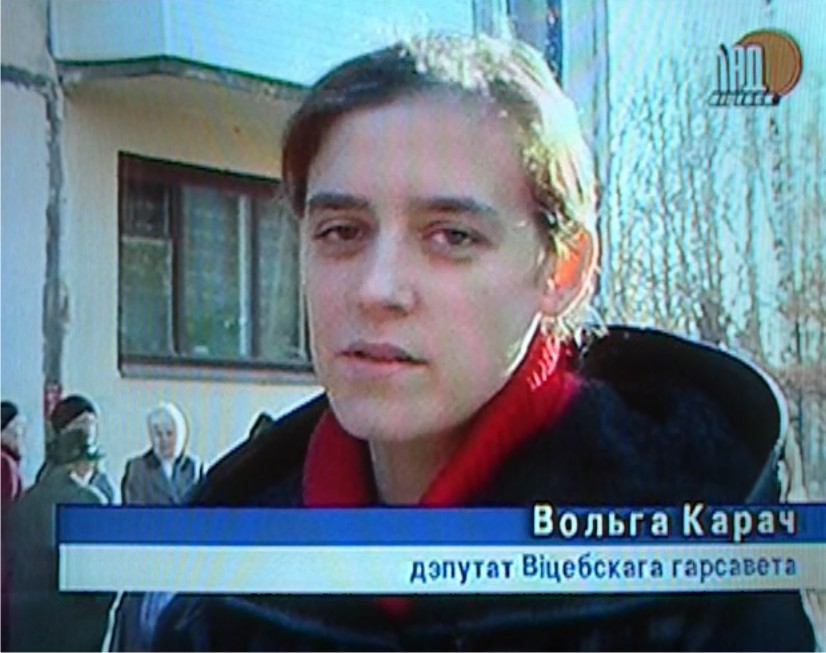
These efforts produced results: the authorities conceded, and the official outcome recorded 51% in favor of Olga Karach—victory in the first round.
Her popularity in Vitebsk was so significant that in the following parliamentary election, 24,000 signatures were collected in support of her candidacy within just one week, which would also have guaranteed a first-round victory. The regime of Alexander Lukashenko did not repeat what it saw as a mistake: from that point onward, Olga Karach was never again registered as a candidate under any circumstances. The authorities no longer trusted their ability to manipulate results without risking public unrest in her support.
The main slogan of Olga Karach’s campaign was: “I will not be an invisible deputy.” She kept that promise—reporting to constituents every month and holding weekly public receptions throughout her entire term.
Even today, Belarusians continue to call and visit her, convinced they voted for her, although many of them lived not only in other districts of Vitebsk but even in other cities across Belarus.
Interestingly, in 2008, during a KGB search of her apartment connected to the Belsat case, one of the items seized by officers was her deputy identification card.
About The Author