Russian conscientious objector Maksim at risk of deportation from Lithuania
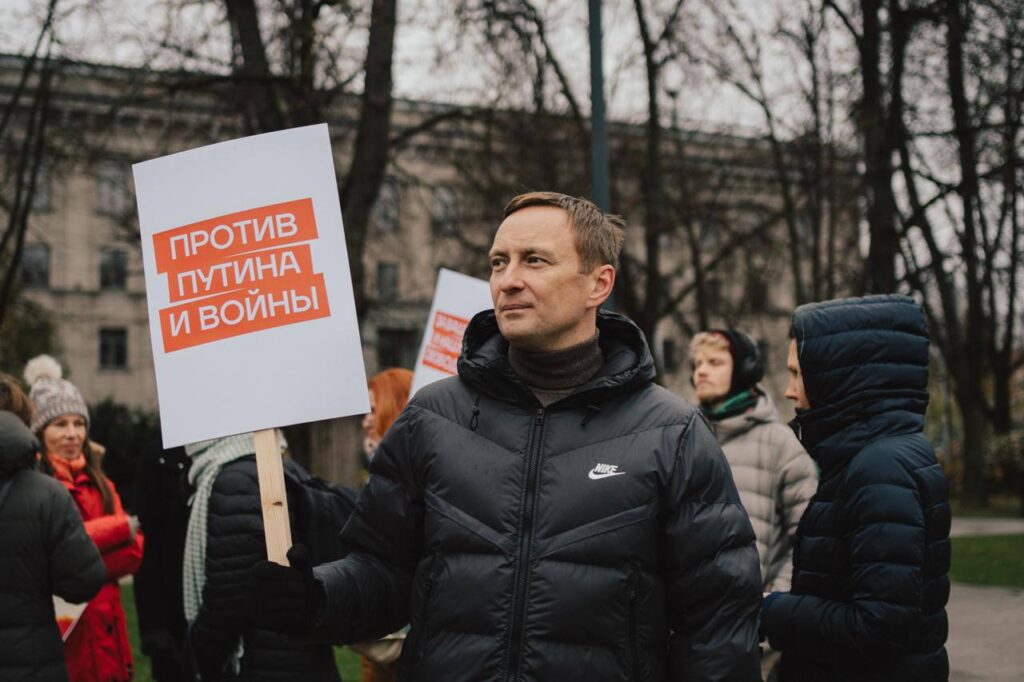
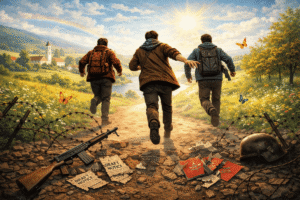
Russian conscientious objector Maksim, born into a hereditary military family and refusing to continue the family tradition of war, now faces imminent deportation from Lithuania.
Maksim Kuzmin was raised in a family where military service was not simply expected – it was inherited. For many generations, the men in his family served in the Russian armed forces, participated in military operations, and internalized a worldview where war was a duty. His grandfather fought in World War II; his father served in the Soviet Army in the 1980s and later in Russian military engineering units. From early childhood, Maksim was surrounded by medals, uniforms, and conversations about campaigns and sacrifice. His family’s identity was defined by uniform, discipline, and service.
 In 1998, after secondary school, Maksim enrolled in the Moscow Military Engineering Academy, one of Russia’s top state military institutions. Over five years of study, he completed rigorous training in military engineering, tactics, and leadership. He graduated in 2003 with the equivalent of a reserve officer commission and was assigned to support military construction units tasked with building and maintaining strategic military infrastructure across Russia’s vast territories.
Between 2003 and 2007, Maksim served as an engineering officer in units deployed to remote regions in Siberia, the North Caucasus, and along Russia’s western military districts. His tasks included overseeing construction of barracks, fortifications, and supply depots, but his duties also regularly placed him near active conflict zones and in support of operations where the line between engineering support and direct military engagement blurred. During this period, he witnessed the psychological impact of military life on soldiers, the normalization of hierarchical obedience, and the human cost of even so-called “non-combat” roles.
In 2008, after a personal crisis triggered by the Russo-Georgian conflict, Maksim questioned the inevitability of war. Having seen the human faces of service members and civilians alike, he experienced a fundamental shift: he no longer believed that fulfilling inherited military obligations could be morally justified. Over the next two years, Maksim refused further service, resigned his commission, and publicly distanced himself from military structures. Formally, he was placed into the reserve; personally, he regarded this as a break with a family tradition he could no longer endorse.
After leaving the military sphere, Maksim pursued civilian life as a construction engineer working on large infrastructure and housing projects in various Russian regions from 2010 to 2021. He completed professional certifications, led teams, and contributed to projects valued at millions of rubles. Yet his moral journey continued: he became active in anti-war communities inside Russia, participated in online forums critical of militarism, and supported families affected by military casualties. He provided informal counseling to young Russian men seeking alternative civilian service, drawing on his own experience of rejecting further military involvement.
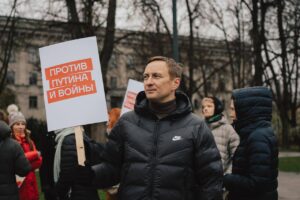
Following the outbreak of full-scale war against Ukraine in 2022, Maksim’s public anti-war position intensified. He wrote essays and statements condemning the aggression, shared them on international platforms, and spoke with journalists about the need for conscientious objection. Russian authorities labeled his activities “extremist,” blocked his accounts, and subjected him to surveillance. Maksim’s refusal to remain silent made him a target.
In late 2022, fearing arrest and forced mobilization into combat roles despite his reserve status, Maksim left Russia and arrived in Lithuania with valid travel documents. He applied for international protection based on his well-founded fear of persecution due to his anti-war stance and conscientious objection to military service.
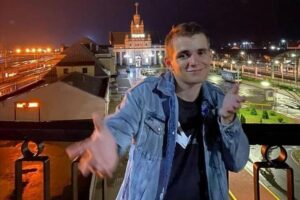
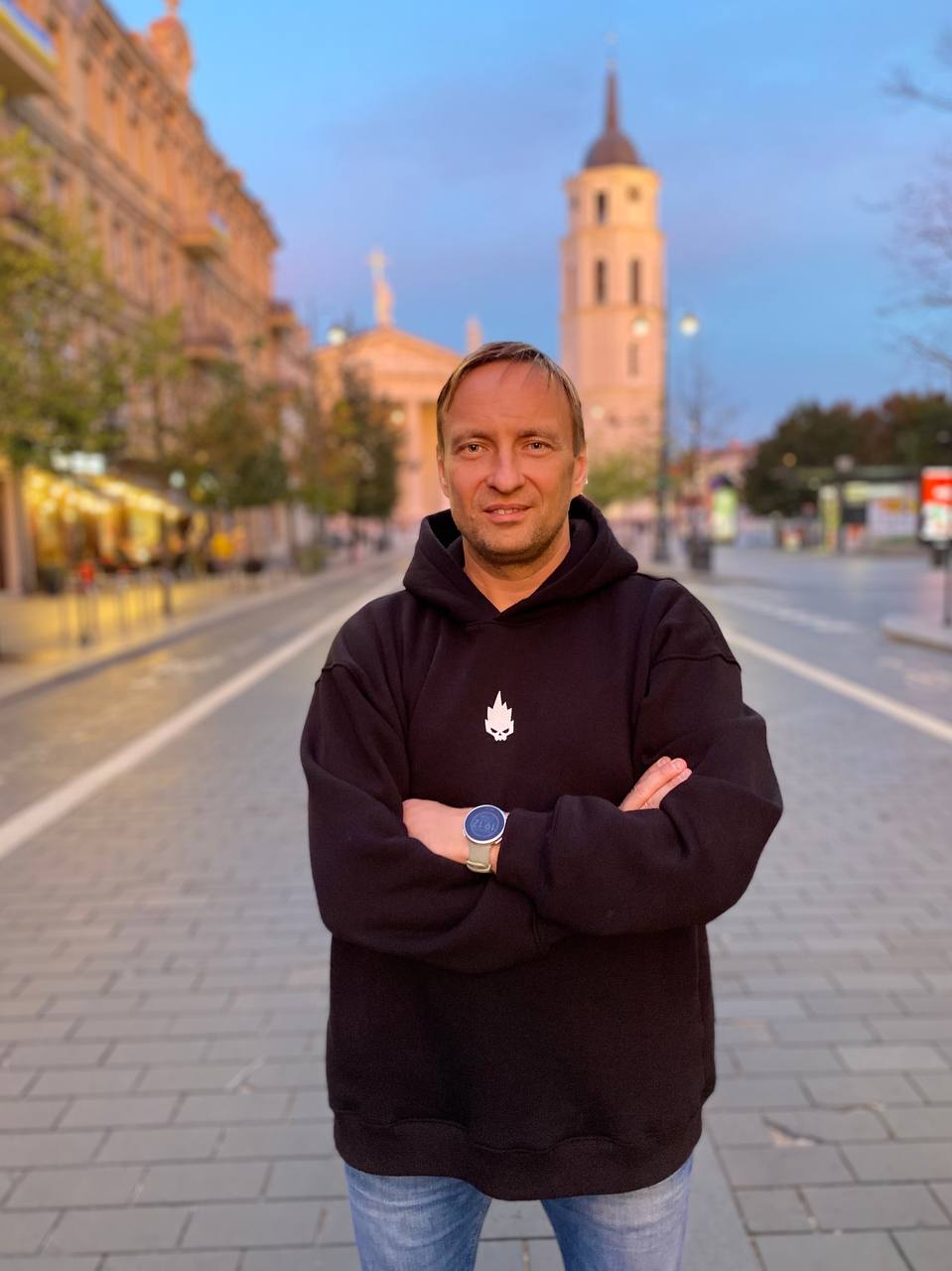
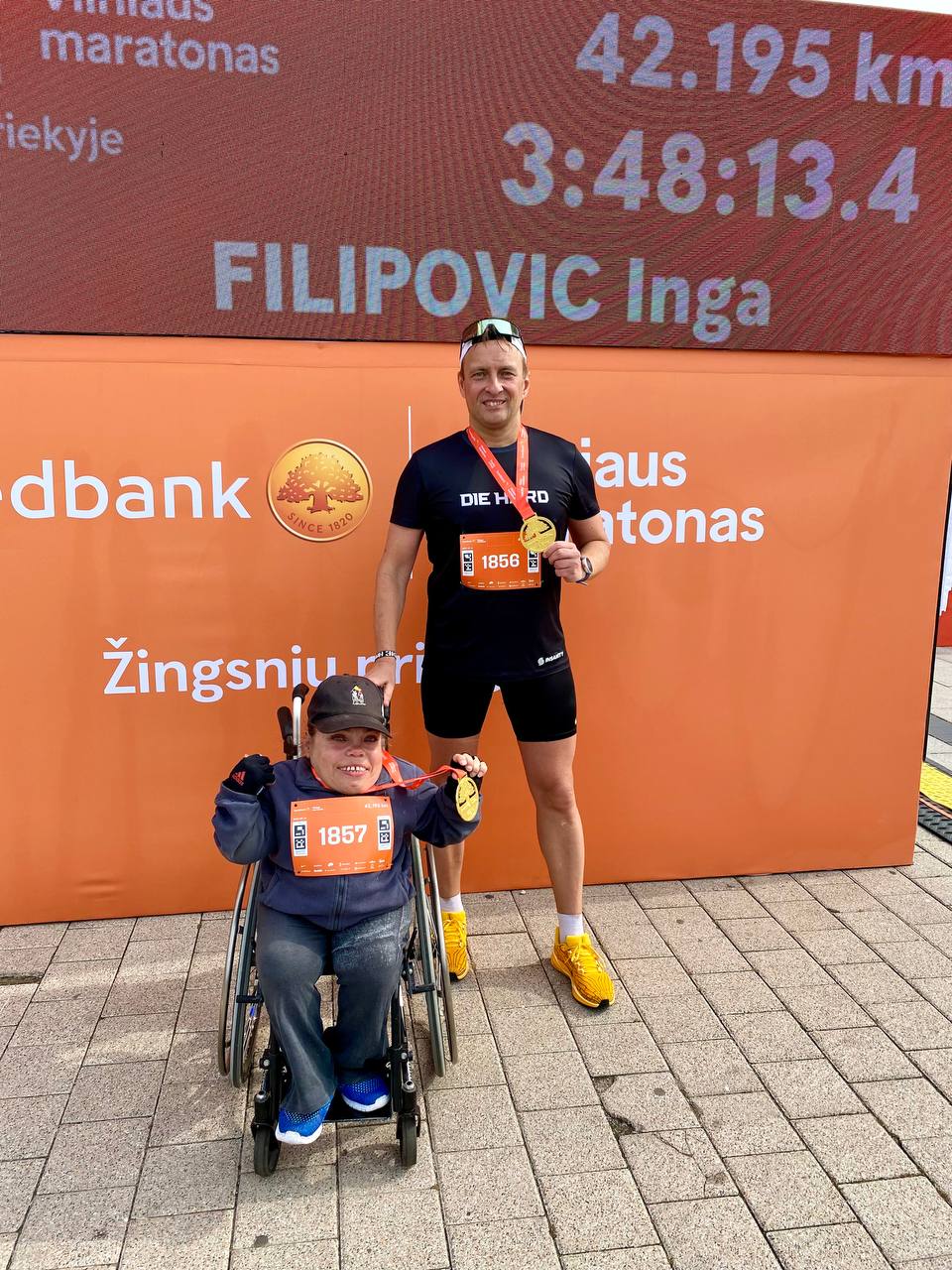
In Vilnius, he quickly integrated into civil society. Maksim joined community sports initiatives such as parkrun Vilnius, volunteered in cultural and social support projects, and collaborated with Lithuanian and international organizations assisting civilians affected by war. He maintained correspondence with other Russian conscientious objectors, shared his experience in online panels on peacebuilding, and advocated for humane approaches to draft policies.
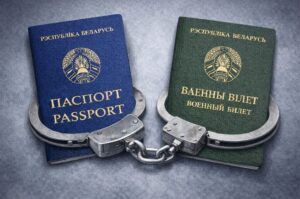
 Despite detailed documentation of his case – including testimony from colleagues, evidence of political targeting in Russia, and academic references on conscientious objection – Lithuanian migration authorities rejected his applications for asylum and residence permits on vague “security considerations” without substantive explanation. Maksim was denied legal right to work, obligated to report regularly to migration officials, and restricted from stable housing or employment.
Legal experts and human rights advocates have documented that Russian authorities routinely mobilize reservists, including former officers, with immediate deployment upon return. For someone in Maksim’s situation – openly critical of state military policy and linked to international civil society – return to Russia would almost certainly result in forced mobilization, criminal charges under “anti-extremism” legislation, and exposure to detention conditions known for abuse and torture of political prisoners.
Maksim now lives with chronic legal insecurity. Each reporting visit to migration authorities renews the fear of detention and deportation. The psychological strain of an uncertain future, combined with the inability to secure lawful work, undermines his stability.
Maksim’s story illustrates a critical category of voices urgently needed: men raised within hereditary military families and military institutions who consciously reject the cycle of violence and refuse to perpetuate it. Societies rarely hear from those who have lived the expectation of service only to renounce it on grounds of conscience. These men carry unique credibility – they challenge entrenched militaristic narratives precisely because they know them from the inside. Their refusal is not abstract pacifism but a principled break with tradition, culture, and personal legacy.
Maksim urgently requires international protection, legal support, and global recognition of his conscientious objection. His protection is not merely a matter of individual safety but a defense of moral agency: the right of those raised in the inheritance of arms to choose peace instead of war.
About The Author