Our House submits OHCHR input on conscientious objection in Belarus
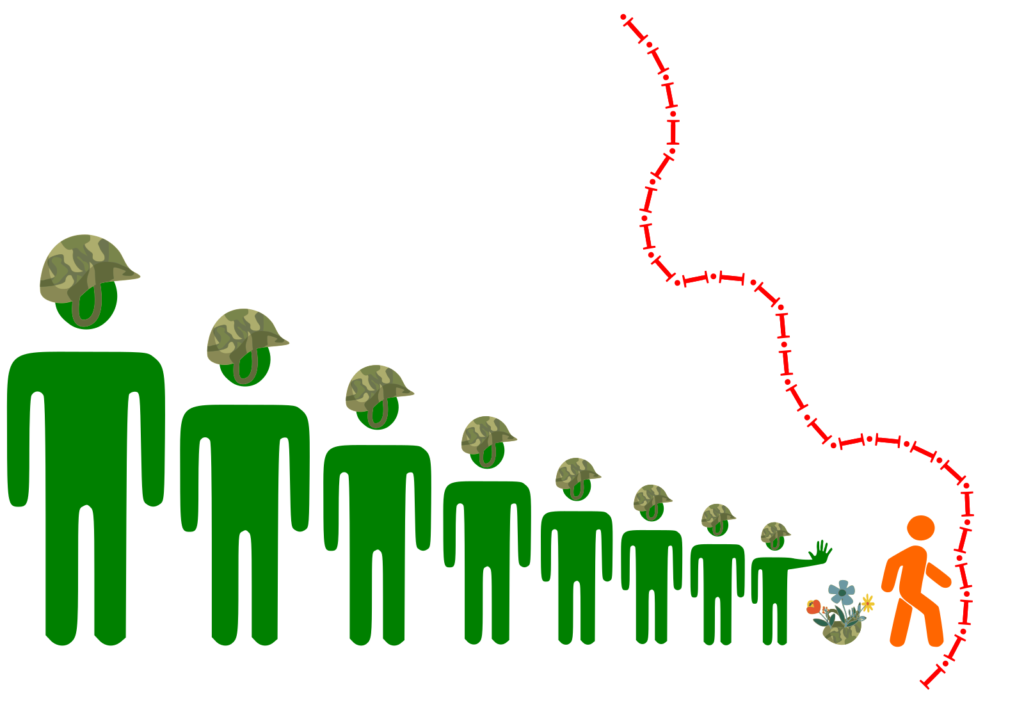
Our House submits UN report on Belarusian conscientious objectors facing systemic persecution.
Our House Centre for Human Rights and Relief has submitted an official input to the Office of the United Nations High Commissioner for Human Rights (OHCHR) in response to the Call for Inputs on Conscientious Objection to Military Service.
The submission contributes to the analytical report that will be presented to the UN Human Rights Council at its 62nd session in June 2026. The report will assess new developments, remaining challenges, and best practices regarding the protection of the right to conscientious objection worldwide.
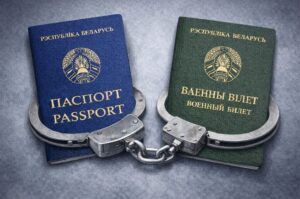
Our House’s input focuses on the situation in Belarus, where compulsory military service remains in force and the right to conscientious objection is severely restricted. Alternative civilian service is available only to a narrow group of religious believers, while individuals with non-religious convictions or other faith backgrounds are systematically excluded. The alternative service itself is punitive, lasting up to twice as long as military service.
The submission documents how refusal of military service exposes individuals to criminal prosecution, social exclusion, and administrative discrimination. It also highlights the criminalization of assistance to conscientious objectors, including the designation of human rights initiatives as “extremist,” which blocks access to legal, humanitarian, and informational support.
Particular attention is given to the broader context of militarization in Belarus: the expansion of military-patriotic programs for children, coercive recruitment practices, intrusive data collection on conscripts, and the growing pressure on reservists. The submission further addresses the risks faced by Belarusian conscientious objectors seeking international protection.
Our House submitted the document as an independent organizational contribution, indicating affiliation with international peace and human rights networks while preserving full procedural clarity. This approach ensures that all partner organizations remain free to submit their own independent statements.
The submission includes concrete recommendations to Belarus and to the international community, including:
– full recognition of conscientious objection for all belief systems;
– non-punitive civilian alternative service;
– an end to criminal prosecution of conscientious objectors and those assisting them;
– demilitarization of children’s programs;
– protection of conscientious objectors in asylum procedures.
According to OHCHR, all inputs received may be published on the Office’s official website and used in preparing the High Commissioner’s report.
By submitting this input, Our House continues its long-term work to defend freedom of conscience, protect individuals from forced participation in military activities, and document systemic violations of human rights in Belarus.
About The Author